
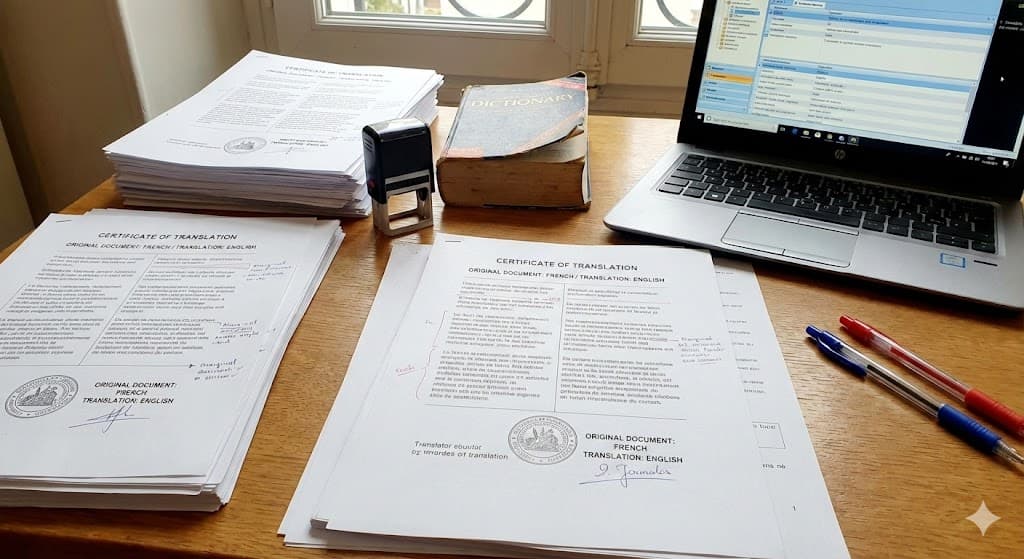
In global business, the success of a product launch often depends on the first page of your localization strategy. While many companies rush into direct word conversion, experts understand that the Document Header and Project Scope are essential for any keyword translation document. By setting the project parameters before translating even one sentence, you provide the guiding principle for translators, SEO specialists, and developers.
Defining the Linguistic Landscape
Your translation document should begin with a clear definition of the Language Pair. It’s not enough to simply list „Spanish” or „Chinese” as targets. To connect with the market, specify the regional dialect, such as Spanish for Argentina or Simplified Chinese for Mainland China. This detail in the Project Scope ensures that selected keywords reflect local expressions and search habits, keeping the content from sounding foreign to natives.
Identifying the Audience and Intent
A key part of the Project Scope is identifying the target audience and the intended Search Intent. Are you addressing C-suite executives who need a formal tone or Gen Z consumers who prefer a casual, energetic style? The Document Header acts as the main reference for Tone and Style. If the scope calls for a technical voice, the translator will focus on precision and consistent terminology. If it calls for marketing, they will emphasize emotional impact and persuasive flow.
Setting Technical Boundaries
The Project Scope must also cover the technical limits of the digital platform. In the header, clearly define Character Limits and String Lengths. Since languages like German or Finnish can be 30% longer than English, setting these limits early prevents text from disrupting your website UI or mobile app layout. Additionally, the header should mention the use of Translation Keys, making it easier for technical teams to integrate the translated strings back into the code without errors.
The Role of Quality Assurance
Every professional header should outline the Quality Control (QC) protocols. This includes whether the project uses Translation Memory (TM) for consistency with previous documents or if a secondary review by a native expert is necessary. By documenting these expectations from the start, you remove confusion and ensure that the final keyword translation document is more than just a list of words; it becomes a strategic tool for global growth.
By putting in the effort for a clear Document Header and Project Scope, you turn translation from a basic task into a powerful driver for international success.
„The information provided on this platform is for general informational purposes only and is provided on an ’as is’ basis without any warranties of any kind. While we strive for accuracy, [Company Name] assumes no responsibility for errors or omissions in the content. Any action you take based on this information is strictly at your own risk, and we will not be liable for any losses or damages in connection with its use.”