
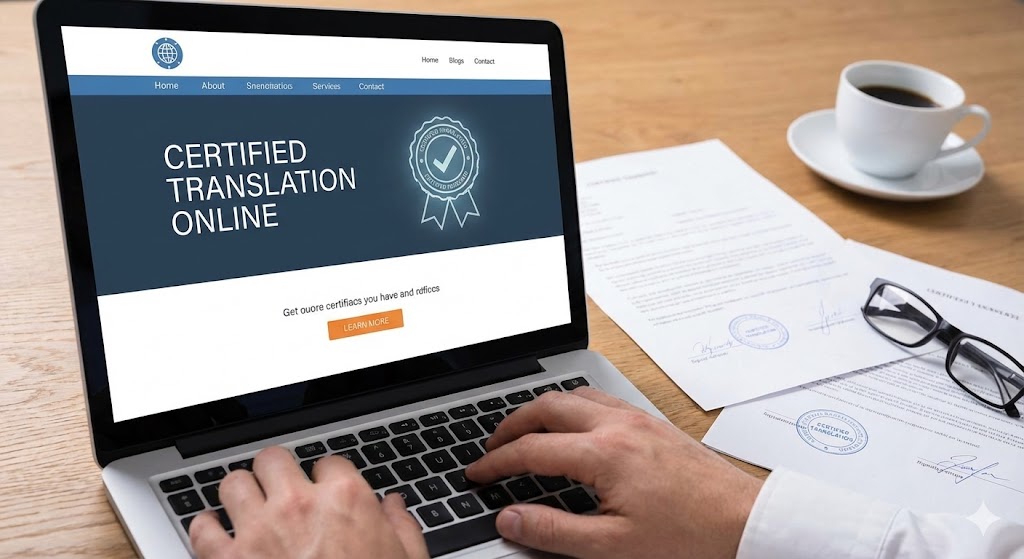
The Evolution of Certified Translation in the Digital Age
In today’s fast-paced global economy, the demand for certified translation has increasingly moved online. This shift offers a smooth way for people who need official documents verified for use in other countries. By using digital platforms, individuals and businesses can securely upload sensitive documents such as birth certificates, legal contracts, or academic transcripts to be processed by accredited professionals. These experts ensure accuracy and legal compliance. Online services remove the logistical challenges of traditional agencies and ensure that the final documents meet the strict standards required by government offices like the UK Home Office or the Institute of Translation and Interpreting. This makes cross-border transitions faster and more dependable than ever.
From Paper Trails to Digital Efficiency
In the past, getting a certified translation was a cumbersome task. It often required traveling to a translation bureau, risking the mailing of original documents, and enduring long waiting times for a stamped certificate to arrive in the mail. The digital revolution has changed this process into a streamlined service. Today, certified translation online combines human expertise with speed. While machine translation (MT) has improved, it cannot provide the legal accountability needed for official use. Professional online agencies connect users with skilled linguists who know the details of legal terminology and cultural context. This ensures that a document translated in London is valid when presented in Dubai or New York.
Why Online Certification is the New Standard
The move to digital platforms brings several advantages that traditional methods can’t match. For example, 24/7 accessibility means geographical limits no longer restrict access to rare language pairs. Whether you need a document translated from Swahili to English or Icelandic to Portuguese, the right expert is just a click away. In addition, enhanced security protocols mean that reputable providers now use top encryption and secure portals to handle sensitive data, often providing better security than a physical office. Finally, rapid turnaround times are now standard; for urgent visa applications or court deadlines, many online services offer „express” options, delivering certified digital copies in under 24 hours.
Meeting Official Requirements
A common misconception is that a digital scan lacks the credibility of a physical document. However, most modern institutions, including the UK Government, accept digitally certified translation results as long as they include the necessary credentials: the translator’s qualifications, a statement of accuracy, and a valid signature. Additionally, organizations like the Chartered Institute of Linguists (CIOL) have updated their guidelines to support this digital shift, ensuring that a certified translation obtained online has the same value and legal standing as traditional translations.
The Future of Global Mobility
Looking forward, the use of blockchain and digital signatures will likely make certified translation online even more secure and instantly verifiable. For today’s expatriates, international students, or global entrepreneurs, this change means one less obstacle to success. The world is getting smaller, and thanks to the digital evolution of translation, our documents can finally keep pace with our goals.
The information provided in this article regarding certified translation onlineIs for general informational purposes only and does not constitute legal advice. While we strive for accuracy, requirements for official documents vary by country and institution; always verify specific translation standards with the relevant
government body
or legal authority before submission.